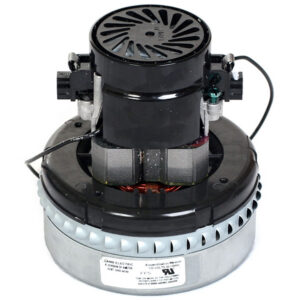
How to Choose the Right Central Vacuum Motor for Your System
Choosing the correct central vacuum motor is one of the most important decisions you can make when repairing or upgrading your vacuum system. The motor is the heart of the unit and is responsible for suction power, airflow, noise level, and overall performance. Selecting the wrong motor can lead to weak suction, overheating, premature failure, or even system damage.
This guide walks you through the key factors to consider, explains the differences between motor types, and provides direct links to our most trusted replacement parts and accessories.
1. Identify Your Existing Motor Model
The easiest and most accurate way to choose the right replacement is to match the exact model number printed on your current motor. Common Lamb Ametek motor numbers include:
- 119412-00
- 119413-00
- 116765-00
- 122175-00
- 117549-12
You can browse our full selection of OEM motors here:
Shop All Vacuum Motors
2. Understand Motor Types: Bypass vs. Thru-Flow
Bypass Motors
Bypass motors use separate cooling air, making them ideal for central vacuums, commercial machines, and applications where debris or moisture may be present.
Best for:
- Central vacuum systems
- Commercial wet/dry applications
- Industrial equipment
Thru-Flow Motors
Thru-flow motors use the working air for cooling. They are typically used in household vacuums and applications where clean air passes through the motor.
Best for:
- Portable vacuums
- Upright vacuums
- Light-duty applications
3. Match the Motor Size and Stage Configuration
Motor diameter and stage count directly affect suction and airflow.
Common Motor Sizes
- 5.7-inch motors – Most common in central vacuums
- 7.2-inch motors – Higher airflow and performance
- 8.4-inch motors – Premium commercial-grade power
Stages
- 1-Stage: Higher airflow, lower sealed suction
- 2-Stage: Balanced airflow and suction
- 3-Stage: Maximum sealed suction for long pipe runs
4. Compare Key Motor Specifications
When choosing a replacement, compare these specs to your original motor:
- Sealed Vacuum (inches): Higher numbers = stronger suction
- CFM (Airflow): Determines how quickly air moves through the system
- Air Watts: Overall performance rating
- Amperage: Must match your unit’s electrical capacity
- RPM: Impacts noise and performance
Each product page on our site includes full OEM specifications for easy comparison.
5. Protect Your New Motor with the Right Accessories
Installing a new motor without proper filtration or gasketing can shorten its lifespan dramatically. We strongly recommend the following add-ons:
Filtered Motor Gasket (Highly Recommended)
Our exclusive filtered gasket prevents dust and debris from entering the motor, extending its life.
Part # MTR1500
Standard Motor Gasket
OEM-style gasket for standard installations.
Part # MTR512
Motor Filter
Protects the fan system from dust and dirt—essential for all vacuum motors.
Part # MTR553
Replacement Motor Brushes
Brushes wear out long before the motor does. Replacing them can extend motor life significantly.
6. When to Replace vs. Repair
You should replace your motor if you notice:
- Weak suction throughout the home
- Burning smell or overheating
- Loud grinding or high-pitched noise
- Motor shutting off intermittently
- Carbon dust around the exhaust
In many cases, replacing the motor is more cost-effective than repairing an aging unit.
7. Need Help Choosing the Right Motor?
With over 25 years of experience and one of the largest inventories of Lamb Ametek motors in the industry, we can help you find the perfect match for your system.
Browse all motors:
https://www.thevacuumfactory.com/product-category/vacuum-motors/
Or contact our support team for expert guidance.
Final Thoughts
Choosing the right central vacuum motor ensures strong suction, long-term reliability, and optimal performance. By matching your model number, understanding motor types, and using the correct accessories, you’ll get the most out of your system for years to come.